24 Hours Hotline: +86 137-3541-1378
Email:[email protected]
24 Hours Hotline: +86 137-3541-1378
Email:[email protected]
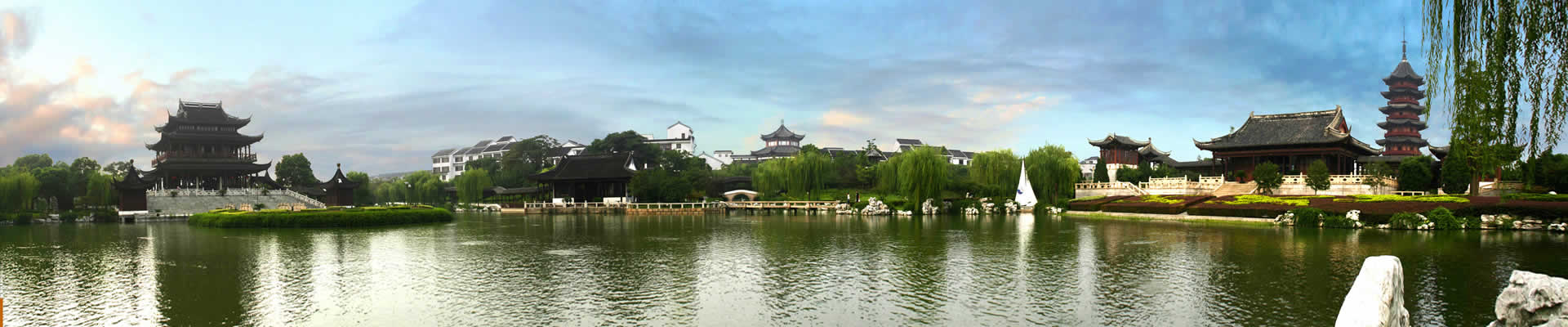
As the top of China’s Four Great Classical Gardens, the largest existing classical garden in Suzhou, and a 1997 UNESCO World Heritage Site, the Humble Administrator’s Garden Suzhou (also widely known as Suzhou Zhuozheng Garden) is universally recognized as the pinnacle of Jiangnan classical garden art and the signature landmark of Suzhou, the "Venice of the East".
This guide fully decodes every detail of the garden, including its 500-year historical context, all iconic scenic spots in the East, Central and West Gardens, ticket booking rules, complete transportation guides, optimized visiting routes, professional crowd-avoidance tips, cultural experiences, nearby attractions and more, providing a one-stop solution for overseas visitors to plan a hassle-free trip.
We will also explain the cultural connotation behind the name "Zhuozheng Garden", decode the unique oriental aesthetics of Chinese classical gardens, and help you not only view the scenery, but also understand the spiritual core of this world-famous garden.
 Ultimate Private Suzhou Day Trip From Shanghai For Essence Highlights
 Ultimate Suzhou Day Trip with Suzhou Hotel & Train Station Pickup
Full History & Cultural Connotation
1. Ming Dynasty Origin & Founding Background
· The Suzhou Zhuozheng Garden was first built in 1509, during the Zhengde reign of the Ming Dynasty, by Wang Xianchen, a former imperial censor who resigned and returned to his hometown Suzhou after being framed and dismissed from his official career.
· The name of the garden comes from Ode to Leisure Living written by Pan Yue, a litterateur of the Western Jin Dynasty, with the line "to cultivate the garden and sell vegetables to supply the daily meals, this is the governance of the humble man". It expresses Wang Xianchen's disdain for official strife, and his longing for a secluded pastoral life away from the imperial court.
· Wang Xianchen invited Wen Zhengming, the leading figure of the Wu School of Painting (the most influential painting school in the Ming Dynasty), to participate in the whole design and construction process of the garden. Wen Zhengming created the Album of Zhuozheng Garden, 31 paintings and matching poems that recorded the original 31 scenic spots of the garden, which laid the poetic and picturesque aesthetic foundation of the Humble Administrator’s Garden Suzhou.
2. Centuries of Historical Evolution
· After Wang Xianchen's death, his son lost the entire garden in a gambling game in the late Ming Dynasty, and the garden changed hands more than 30 times in the following 400 years.
· In the early Qing Dynasty, the garden was split into three independent parts: the East Garden, the Central Garden and the West Garden, which were owned by different local officials and literati families, and each part was rebuilt and renovated separately.
· In the mid-19th century (Taiping Heavenly Kingdom period), the Central Garden and West Garden became part of the Loyal Prince Li Xiucheng's Mansion, and a large number of architectural renovations were carried out, forming the basic layout of the garden that is preserved today.
· After the founding of the People's Republic of China in 1949, the three separated parts of the garden were fully integrated and systematically restored. In 1952, the Humble Administrator’s Garden Suzhou was officially opened to the public as a complete classical garden.
· In December 1997, the Humble Administrator’s Garden Suzhou, as a core representative of Suzhou Classical Gardens, was officially inscribed on the UNESCO World Heritage List. The World Heritage Committee commented that it "perfectly embodies the Chinese classical garden design philosophy of 'harmony between man and nature', and is an outstanding masterpiece of world garden art".
3. Oriental Philosophy & Aesthetic Core of the Garden
· The core design philosophy of Suzhou Zhuozheng Garden is "though made by man, it is as natural as if created by heaven", which fully integrates the aesthetic thoughts of Confucianism, Taoism and Zen Buddhism.
· The garden takes water as its soul, with the water surface accounting for more than 1/3 of the total area. All buildings and landscapes are built along the water, creating a space that blends man-made architecture with natural mountains, waters and plants, realizing the Chinese literati's ultimate pursuit of "harmony between man and nature".
· Every scenic spot in the garden is closely combined with traditional Chinese poetry, calligraphy and painting, forming a unique aesthetic of "one scene, one poem, one painting". Every step you take, you can see a landscape that is like a traditional Chinese scroll painting.
Must-See Highlights & Iconic Spots
1. Central Garden: The Heart & Soul of Humble Administrator’s Garden Suzhou
The Central Garden is the best-preserved part of the original Ming Dynasty garden, the largest and most essence area of the whole Humble Administrator’s Garden Suzhou. It retains the original design style of Wen Zhengming, with water as the core, and is the most concentrated embodiment of the garden's artistic conception.
* Hall of Distant Fragrance (Yuanxiang Tang)
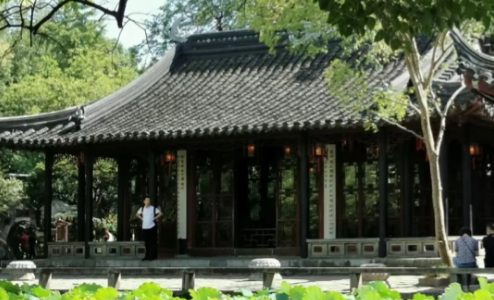
-suzhou.png "Hall of Distant Fragrance (Yuanxiang Tang)-suzhou")
· It is the main hall and the core building of the whole Suzhou Zhuozheng Garden, a typical representative of the "main hall facing water" design of Jiangnan classical gardens.
· Naming Origin: The name comes from the line "distant fragrance is clearer and more elegant, the lotus grows gracefully in the clean water" from Ode to the Lotus by Zhou Dunyi, a famous Neo-Confucian philosopher of the Song Dynasty. The hall faces a large lotus pond, and the fragrance of lotus flowers can fill the whole hall in summer, which fits the name perfectly.
· Architectural Features: It is a 3-bay hall with a "four-side transparent" design, with full floor-to-ceiling lattice windows on all four sides, no columns blocking the view inside the hall. It is known as the "360° panoramic viewing platform" of the garden.
· Garden Art Highlight: It is the most classic example of "borrowed scenery" in Chinese garden art. Through the south window of the hall, the 1,500-year-old North Temple Pagoda (Beisi Pagoda) 1 kilometer away is perfectly framed in the window view, integrating the distant scenery outside the garden into the interior landscape, breaking the space boundary of the garden.
· Best Viewing Time: Early morning in summer, when the lotus fragrance is the strongest, and the soft morning light makes the borrowed scenery of the North Temple Pagoda more vivid.
* Pavilion of Lotus Breeze on Four Sides (He Feng Si Mian Ting)
-suzhou.png "Pavilion of Lotus Breeze on Four Sides (He Feng Si Mian Ting)-suzhou")
.png "Pavilion of Lotus Breeze on Four Sides (He Feng Si Mian Ting)")
· It is the core waterside pavilion in the center of the Central Garden lake, located at the intersection of the three main water systems of the garden, and is the visual center of the whole Central Garden.
· Naming Origin: The name comes from the artistic conception of "lotus breeze on four sides, mountains and lakes in all directions". The pavilion is surrounded by water on all sides, with lotus ponds all around, and the breeze with lotus fragrance can be felt from all directions in summer.
· Architectural Features: It is a hexagonal pavilion with a single-eave roof, open on all six sides, with no walls blocking the view. It is the only building in the garden that offers a 360° panoramic view of all the core scenic spots of the Central Garden.
· Viewing Highlights: You can see the Hall of Distant Fragrance in the south, the See Mountain Tower in the north, the Fragrant Isle in the west, and the Snow Fragrance and Cloud Shade Pavilion in the east. It is the best spot to appreciate the lotus flowers in summer, and also the most popular photo spot in the garden.
· Best Viewing Time: June to August (lotus blooming season), early morning or evening to avoid the noon heat and crowds.
* Fragrant Isle (Xiang Zhou)
.png "Fragrant Isle (Xiang Zhou)")
-suzhou.png "Fragrant Isle (Xiang Zhou)-suzhou")
· It is the core waterside pavilion in the center of the Central Garden lake, located at the intersection of the three main water systems of the garden, and is the visual center of the whole Central Garden.
· Naming Origin: The name comes from the artistic conception of "lotus breeze on four sides, mountains and lakes in all directions". The pavilion is surrounded by water on all sides, with lotus ponds all around, and the breeze with lotus fragrance can be felt from all directions in summer.
· Architectural Features: It is a hexagonal pavilion with a single-eave roof, open on all six sides, with no walls blocking the view. It is the only building in the garden that offers a 360° panoramic view of all the core scenic spots of the Central Garden.
· Viewing Highlights: You can see the Hall of Distant Fragrance in the south, the See Mountain Tower in the north, the Fragrant Isle in the west, and the Snow Fragrance and Cloud Shade Pavilion in the east. It is the best spot to appreciate the lotus flowers in summer, and also the most popular photo spot in the garden.
· Best Viewing Time: June to August (lotus blooming season), early morning or evening to avoid the noon heat and crowds.
* Small Flying Rainbow (Xiao Fei Hong)
.png "Small Flying Rainbow (Xiao Fei Hong)")
-suzhou.png "Small Flying Rainbow (Xiao Fei Hong)-suzhou")
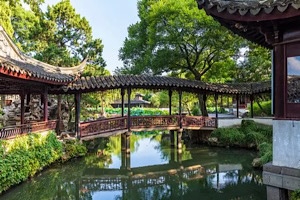
· It is the only existing covered corridor bridge in Suzhou classical gardens, located between the Hall of Distant Fragrance and the Little Surging Wave Pavilion, and is the most classic example of "framed scenery" in Chinese garden art.
· Naming Origin: The bridge body is curved, with vermilion railings and a gray tile roof. Its reflection in the water is like a rainbow flying over the lake, so it is named "Small Flying Rainbow".
· Architectural Features: It is a 3-span covered corridor bridge, with a length of 13 meters, integrating the functions of a bridge, a corridor and a pavilion. The lattice windows on both sides of the corridor can frame the landscape on both sides of the water into different paintings.
· Garden Art Highlight: It creates a layered space effect. Walking through the corridor bridge, the view changes with every step, from the open hall view to the enclosed water courtyard view, creating a sense of "deep courtyard" for visitors.
· Best Viewing Time: Morning, when the sunlight passes through the lattice windows, casting mottled light and shadow on the bridge deck, the photo effect is excellent.
* Little Surging Wave (Xiao Cang Lang)
.png "Little Surging Wave (Xiao Cang Lang)")
-suzhou.png "Little Surging Wave (Xiao Cang Lang)-suzhou")
· It is a waterside pavilion complex located on the south bank of the Central Garden lake, facing the Small Flying Rainbow across the water, and is the core waterside landscape of the south part of the Central Garden.
· Naming Origin: The name comes from the famous Cang Lang Pavilion (Surging Wave Pavilion) in Suzhou, and the ancient poem "the surging river water can wash my tassel; the surging river water can wash my feet", expressing the hermit spirit of the garden owner.
· Architectural Features: It is a 3-bay waterside pavilion built half over the water, with open windows on all sides, low and close to the water surface, creating a feeling of sitting on the lake.
· Viewing Highlights: It is the best spot to appreciate the Small Flying Rainbow and the layered landscape of the water courtyard. In ancient times, it was the place for the garden owner and literati to hold poetry gatherings, drink tea and enjoy the moon.
· Best Viewing Time: Night on the full moon, when the moon is reflected in the water, it can reproduce the ancient poetic mood of "appreciating the moon on the lake".
* See Mountain Tower (Jian Shan Lou)
-suzhou.png "See Mountain Tower (Jian Shan Lou)-suzhou")
.png "See Mountain Tower (Jian Shan Lou)")
· It is a 3-story waterside tower located on the north bank of the Central Garden lake, the tallest building in the Central Garden, and was once the office of the Loyal Prince Li Xiucheng during the Taiping Heavenly Kingdom period.
· Naming Origin: The name comes from Tao Yuanming's famous poem "picking chrysanthemums by the eastern fence, I can see the southern mountains leisurely", expressing the hermit spirit of integrating with nature.
· Architectural Features: The upstairs offers a panoramic view of the whole Central Garden, and you can see the distant Mudu Lingyan Mountain on a clear day, which perfectly fits the name "See Mountain Tower". It is also a hidden gem for photography with few tourists.
· Viewing Highlights: It is the best spot to appreciate the Small Flying Rainbow and the layered landscape of the water courtyard. In ancient times, it was the place for the garden owner and literati to hold poetry gatherings, drink tea and enjoy the moon.
· Best Viewing Time: Best Viewing Time: Autumn, when the sky is clear and the visibility is the best, you can see the distant mountains clearly.
* With Whom Shall I Sit Pavilion (Yu Shei Tong Zuo Xuan)
.png "With Whom Shall I Sit Pavilion (Yu Shei Tong Zuo Xuan)")
-suzhou.png "With Whom Shall I Sit Pavilion (Yu Shei Tong Zuo Xuan)-suzhou")
· It is a unique fan-shaped pavilion located at the junction of the Central Garden and West Garden, the only fan-shaped building in the whole Humble Administrator’s Garden Suzhou, and the most representative embodiment of the literati's spiritual mood in the garden.
· Naming Origin: The name comes from Su Shi's (Su Dongpo) famous poem "with whom shall I sit? The bright moon, the breeze and me", expressing the lonely and noble hermit mood of the literati, who only make friends with nature.
· Architectural Features: The whole building is fan-shaped, with the fan surface facing the water, the fan handle facing the back hill. Even the windows, tables, stools and plaques inside the pavilion are all fan-shaped, with extremely exquisite design details.
· Viewing Highlights: The front window of the pavilion perfectly frames the Floating Green Pavilion of the West Garden, which is a classic example of opposite scenery. It is the best spot to enjoy the moon at night, and can perfectly reproduce the artistic conception of Su Shi's poem.
· Best Viewing Time: Night on the full moon, when the bright moon, breeze and lake view are integrated, you can fully experience the artistic conception of the name.
Other Core Scenic Spots in the Central Garden
* Wuzhu Youju (Pavilion of Wutong and Bamboo)
.png "Wuzhu Youju (Pavilion of Wutong and Bamboo)")
-suzhou.png "Wuzhu Youju (Pavilion of Wutong and Bamboo)-suzhou")
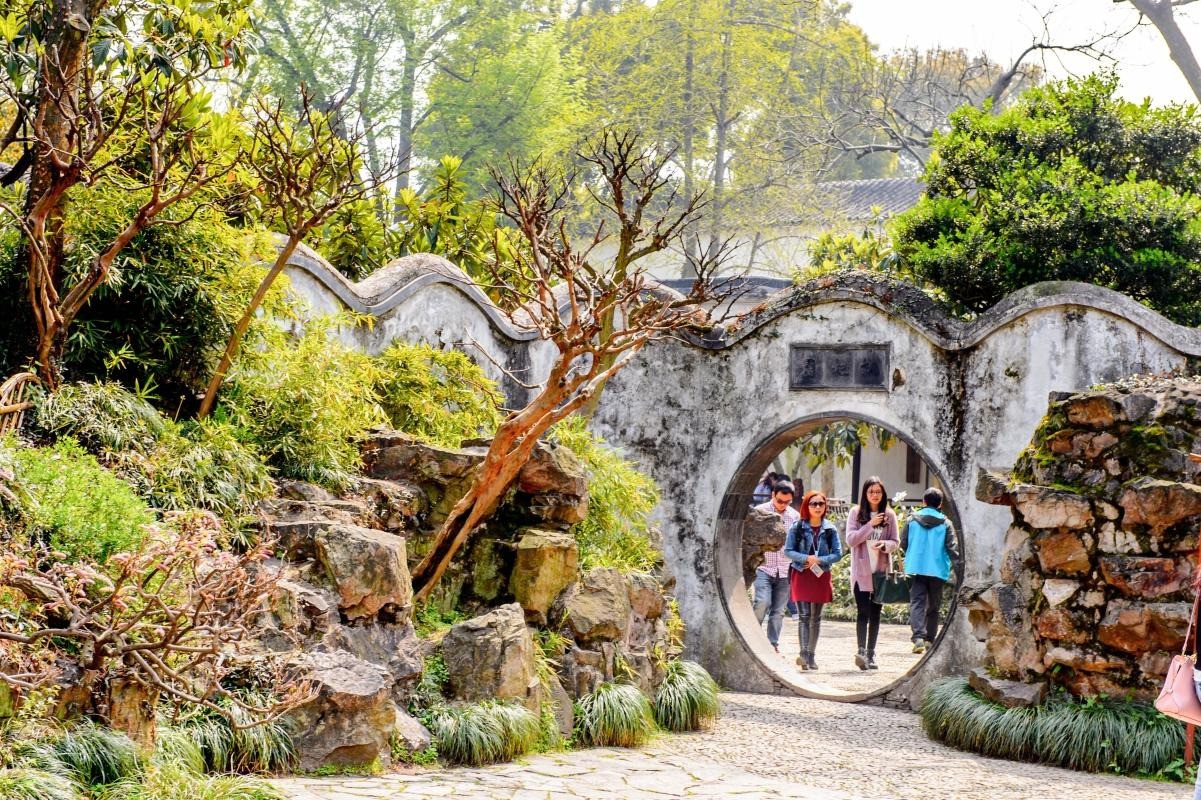
It is a square pavilion located at the east entrance of the Central Garden, designed by Wen Zhengming, with four circular moon gates on all four sides, which can frame the four seasons' scenery into four circular paintings respectively. It is the best spot to appreciate the spring scenery of the garden.
* Xuexiang Yunwei Ting (Pavilion of Snow Fragrance and Cloud Shade)
-suzhou.png "Xuexiang Yunwei Ting (Pavilion of Snow Fragrance and Cloud Shade)-suzhou")
.jpg "Xuexiang Yunwei Ting (Pavilion of Snow Fragrance and Cloud Shade)")
It is a pavilion located on the top of the east hill of the Central Garden, surrounded by wintersweet and plum blossom trees. The name comes from the artistic conception of plum blossom's snow-like fragrance and the shade of trees like clouds. It is the best spot to appreciate plum blossoms in winter.
* Daishuang Ting (Frost Waiting Pavilion)
.png "Daishuang Ting (Frost Waiting Pavilion)")
-suzhou.png "Daishuang Ting (Frost Waiting Pavilion)-suzhou")
It is a hexagonal pavilion located on the small island in the east lake of the Central Garden, surrounded by orange trees. The name comes from Wei Yingwu's poem "the orange in Dongting needs to wait for the frost all over the forest to ripen". It is the best spot to appreciate the autumn scenery of the garden.
* Pipa Garden (Loquat Garden)
.png "Pipa Garden (Loquat Garden)")
-suzhou.png "Pipa Garden (Loquat Garden)-suzhou")
It is an independent enclosed courtyard in the south of the Central Garden, surrounded by loquat trees, with the Linglong Hall (Exquisite Hall) and Jiashi Ting (Ripening Fruit Pavilion) inside. It is a classic example of "hidden scenery" in garden art, creating a "garden within a garden" effect.
* Tingyu Xuan (Rain Listening Pavilion)
.png "Tingyu Xuan (Rain Listening Pavilion)")
-suzhou.png "Tingyu Xuan (Rain Listening Pavilion)-suzhou")
It is a small courtyard next to the Pipa Garden, surrounded by banana trees and lotus ponds. The name comes from the artistic conception of listening to the rain hitting the banana leaves. It is the best spot to experience the poetic mood of the garden in rainy days.
2. West Garden: Intimate Elegance & Poetic Details
The West Garden was rebuilt in the late Qing Dynasty, with a compact and exquisite layout, rich poetic details, and a more intimate and elegant style compared with the open and grand Central Garden. It is the most concentrated area of exquisite architectural decoration in the whole Humble Administrator’s Garden Suzhou.
* Mandarin Ducks Hall & 18 Camellia Hall
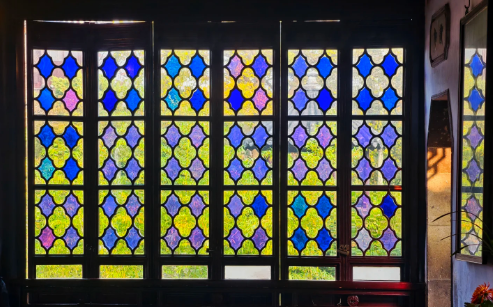
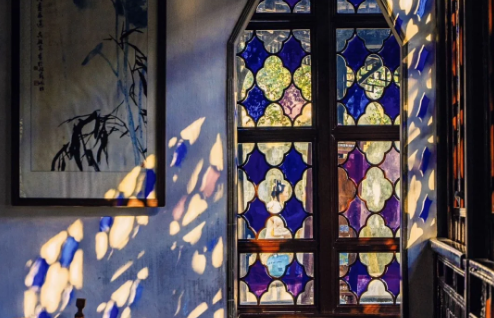
· It is the main hall of the West Garden, the only "mandarin duck hall" in Suzhou classical gardens, and the core building of the West Garden.
· Naming Origin: The hall is divided into two independent north and south halls by a partition wall. The south hall is named "18 Camellia Hall" because there are 18 camellia trees planted in the south courtyard; the north hall is named "36 Mandarin Ducks Hall" because it faces the mandarin duck pond in the north.
· Architectural Features: The two halls have completely different decoration styles and functions. The south hall is for spring and summer use, with a sunshade design; the north hall is for autumn and winter use, with a blue glass ceiling that can keep warm and transmit soft light. The four corners of the hall are equipped with four small ear rooms, which were used as dressing rooms for Kunqu Opera performers in ancient times.
· Viewing Highlights: It was once a special venue for Kunqu Opera performances in the garden, with excellent sound effect. The exquisite carvings and decorations in the hall are the representative works of Suzhou garden woodcarving art in the late Qing Dynasty.
· Best Viewing Time: Weekends and holidays, when there are regular Kunqu Opera and Pingtan performances in the hall.
* Lingering Sound Pavilion (Liu Ting Ge)
.png "Lingering Sound Pavilion (Liu Ting Ge)")
-suzhou.png "Lingering Sound Pavilion (Liu Ting Ge)-suzhou")
· It is a single-story hall located on the west bank of the West Garden lake, the most representative building of the West Garden's poetic conception.
· Naming Origin: The name comes from Li Shangyin's famous poem "the autumn gloom doesn't dissipate, the frost flies late, leave the withered lotus to listen to the sound of rain", expressing the aesthetic mood of appreciating the beauty of the withered lotus and the rain sound in autumn and winter.
· Architectural Features: The hall is facing the water, with large floor-to-ceiling windows on the water side, and the interior is decorated with extremely exquisite woodcarvings. The most famous one is the double-layered openwork woodcarving of "nine lions playing with a ball", which is a national first-class cultural relic.
· Viewing Highlights: It is the best spot to experience the poetic mood of the garden in autumn and winter. When it rains, you can sit in the hall and listen to the rain hitting the withered lotus leaves, which perfectly fits the artistic conception of the name.
· Best Viewing Time: Autumn and winter rainy days, when you can fully experience the artistic conception of "listening to the rain on the withered lotus".
* Floating Green Pavilion (Fu Cui Ge)
.png "Floating Green Pavilion (Fu Cui Ge)")
-suzhou.png "Floating Green Pavilion (Fu Cui Ge)-suzhou")
· It is a 2-story octagonal pavilion located on the top of the west hill of the West Garden, the highest point of the whole Humble Administrator’s Garden Suzhou.
· Naming Origin: The name comes from the artistic conception of "the green trees and mountains are floating like waves in the field of view", because when you stand in the pavilion, you can see the green trees and lake view of the whole garden, like a green ocean floating under your feet.
· Architectural Features: It is an octagonal pavilion with a double-eave roof, exquisite in shape, hidden in the dense trees on the top of the hill, with a winding stone path leading to the pavilion.
· Viewing Highlights: It offers a 360° panoramic bird's-eye view of the whole garden, the only spot where you can see all three gardens at the same time. It is the best hidden photo spot in the garden, with almost no tourists.
· Best Viewing Time: Early morning or evening, when the soft light makes the panoramic view of the garden more vivid, and the photo effect is excellent.
Other Core Scenic Spots in the West Garden
* Yi Liang Ting (Pavilion of Benefits for Both Families)
.png "Yi Liang Ting (Pavilion of Benefits for Both Families)")
-suzhou.png "Yi Liang Ting (Pavilion of Benefits for Both Families)-suzhou")
It is a hexagonal pavilion located on the top of the hill between the Central Garden and West Garden. The name comes from the meaning that "the pavilion can benefit both families": standing in the pavilion, you can see the scenery of both the Central Garden and the West Garden, which is a classic example of borrowed scenery.
* Wavy Water Corridor (Bo Xing Lang)
.png "Wavy Water Corridor (Bo Xing Lang)")
-suzhou.png "Wavy Water Corridor (Bo Xing Lang)-suzhou")
It is a 60-meter-long covered corridor along the lake of the West Garden, with the corridor floor undulating with the lake bank, like a water wave floating on the lake surface. It is known as "the most beautiful corridor in Suzhou gardens", and is a classic example of the integration of architecture and water landscape.
* Reflection Building (Dao Ying Lou)
.png "Reflection Building (Dao Ying Lou)")
-suzhou.png "Reflection Building (Dao Ying Lou)-suzhou")
It is a 2-story waterside building located at the north end of the Wavy Water Corridor. The lower floor is the "Water Mirror Hall", and the upper floor is the viewing platform. The building's reflection in the water is perfectly integrated with the building itself, creating a fantastic visual effect. It is the best spot to take photos of the lake reflection.
* Pagoda Shadow Pavilion (Ta Ying Ting)
.png "Pagoda Shadow Pavilion (Ta Ying Ting)")
-suzhou.png "Pagoda Shadow Pavilion (Ta Ying Ting)-suzhou")
It is an octagonal pavilion located at the southernmost end of the West Garden lake. The name comes from the artistic conception that "the reflection of the pavilion in the water is like a pagoda shadow". The pavilion's doors, windows, and even the floor tiles are all octagonal, with extremely exquisite design details.
3. East Garden: Open Landscapes & Pastoral Scenery
The East Garden is the newly restored part of the garden, with an open and spacious layout, rich pastoral scenery, and a simple and natural style, which forms a sharp contrast with the exquisite and compact Central and West Gardens. It is the entrance area of the whole Humble Administrator’s Garden Suzhou.
* Orchid Snow Hall (Lan Xue Tang)
.png "Orchid Snow Hall (Lan Xue Tang)")
-suzhou.png "Orchid Snow Hall (Lan Xue Tang)-suzhou")
· It is the main hall of the East Garden, the first scenic spot after entering the garden from the main entrance, and the core building of the East Garden.
· Naming Origin: The name comes from Li Bai's poem "standing alone between heaven and earth, the clear wind sprinkles the orchid snow", which describes the noble and pure character of the orchid, and fits the hermit spirit of the garden.
· Architectural Features: It is a 5-bay hall with a double-eave roof, the largest single building in the whole garden. The east wall of the hall is inlaid with a huge lacquer painting of the whole garden landscape, and the west wall is inlaid with exquisite brick carvings recording the history of the garden.
· Viewing Highlights: It is the best place to get a general understanding of the layout and history of the whole garden before the formal visit.
· Best Viewing Time: The first 30 minutes after the garden opens, when there are few tourists, you can visit the hall quietly.
* Peak of Piled Clouds (Zhui Yun Feng)
.png "Peak of Piled Clouds - (Zhui Yun Feng)")
-suzhou.png "Peak of Piled Clouds (Zhui Yun Feng)-suzhou")
· It is a huge rockery located in the courtyard behind the Orchid Snow Hall, the first landscape after entering the garden, and a classic example of "blocking scenery" in Chinese garden art.
· Naming Origin: The rockery is stacked with huge stones, with a height of 6 meters, shaped like clouds piled up in the sky, so it is named "Peak of Piled Clouds".
· Garden Art Highlight: It plays a role of "blocking scenery", blocking the view of the inner garden after entering the door, so that visitors can not see the whole garden at a glance, creating a sense of mystery and expectation, which is the classic "first suppress then rise" design technique of Chinese gardens.
· Viewing Highlights: It is a representative work of Suzhou garden rockery art in the late Ming Dynasty, with exquisite stacking skills, and is one of the most famous single rockeries in Suzhou gardens.
Other Core Scenic Spots in the East Garden
* Lotus Hibiscus Pavilion (Fu Rong Xie)
.png "Lotus Hibiscus Pavilion (Fu Rong Xie)")
-suzhou.png "Lotus Hibiscus Pavilion (Fu Rong Xie)-suzhou")
It is a waterside pavilion located on the east lake of the East Garden, half built over the water, with a square front and a round back, exquisite in shape. It is surrounded by lotus flowers in summer and hibiscus flowers in autumn, and is the best spot to appreciate the summer and autumn scenery of the East Garden.
* Tianquan Pavilion (Tian Quan Ting)
.png "Tianquan Pavilion (Tian Quan Ting)")
-suzhou.png "Tianquan Pavilion (Tian Quan Ting)-suzhou")
It is an octagonal pavilion with a double-eave roof located in the center of the East Garden, built around an ancient well from the Yuan Dynasty. The well water is clear and sweet, known as the "Heaven Spring", so the pavilion is named after it. It is surrounded by large lawns and flower beds, with an open and natural scenery.
* Shuxiang Hall (Shu Xiang Guan)
.png "Shuxiang Hall (Shu Xiang Guan)")
-suzhou.png "Shuxiang Hall (Shu Xiang Guan)-suzhou")
It is a single-story hall located at the north end of the East Garden, the largest hall in the East Garden. The name comes from the meaning of "the fragrance of rice can be smelled in the hall", because in ancient times, there were rice fields outside the north wall of the garden, and the fragrance of rice could be blown into the hall in autumn. Now it is the exhibition hall of the garden's history and culture.
* Hanqing Pavilion (Han Qing Ting)
.png "Hanqing Pavilion (Han Qing Ting)")
-suzhou.png "Hanqing Pavilion (Han Qing Ting)-suzhou")
It is a waterside pavilion located on the south lake of the East Garden, with a flat and wide shape, close to the water surface. The name comes from the poem "the pond contains the green scenery of the sky and earth", and it is the best spot to appreciate the open lake scenery of the East Garden.
4. Unique Garden Design Art of Suzhou Zhuozheng Garden
* Core Design Techniques Decoded
· Borrowed Scenery: Framing the distant scenery outside the garden (such as the North Temple Pagoda, Lingyan Mountain) into the garden view, breaking the space boundary of the garden, and expanding the visual space infinitely.
· Framed Scenery: Using windows, doors, moon gates and corridor bridges to frame the landscape like a painting, creating a "step by step, different scenery" effect, making every view a traditional Chinese painting.
· Opposite Scenery: Setting two scenic spots opposite each other to form a mutual viewing and echoing effect, enhancing the layering of the space, such as the With Whom Shall I Sit Pavilion and the Floating Green Pavilion.
· Blocked Scenery: Using rockeries, walls and buildings to block the view of the inner garden, creating a sense of mystery and "first suppress then rise" experience, such as the Peak of Piled Clouds at the entrance.
· Hidden & Revealed Scenery: Using corridors, plants and rockeries to hide part of the landscape, creating a sense of exploration for visitors, and making the garden space more profound and rich.
* Planting Philosophy & Four Seasons Landscape
· The garden takes lotus as the core theme plant, which runs through the whole design of the Central Garden, matching the hermit spirit of the garden owner. It is matched with bamboo, wintersweet, plum blossom, osmanthus, camellia, peony, magnolia and other plants, creating a unique landscape for four seasons.
· Spring: Peach blossom, magnolia, begonia, peony; Summer: Lotus, hibiscus; Autumn: Osmanthus, red maple, chrysanthemum; Winter: Wintersweet, plum blossom.
 5 Days Suzhou Hangzhou Huangshan Tour
 8-Day Shanghai Hangzhou Suzhou Wuxi Tour
Complete Visitor Info: Tickets, Opening Hours & Booking Rules
1. Official Opening Hours
· Peak Season (March 1 – October 31): 7:30 – 17:30, last entry at 17:00
· Off Season (November 1 – February 28/29): 7:30 – 17:00, last entry at 16:30
· Note: The opening hours may be adjusted during Chinese statutory holidays, please refer to the official announcement.
2. Ticket Price System
· Peak Season Day Ticket: CNY 80 per person
· Off Season Day Ticket: CNY 70 per person
· Night Tour Ticket: CNY 198-228 per person (price varies by season and package)
3. Discount & Free Ticket Policies
* Free Ticket Policy (Valid ID Required)
· Children under 1.4 meters in height (accompanied by an adult)
· Elderly over 70 years old with valid ID or passport
· Active military personnel, disabled veterans, disabled people with valid certificates
* Half-price Discount Policy (Valid ID Required)
· Children 1.4 meters or taller and minors aged 18 and above
· Full-time undergraduate and below students with valid student ID
· Elderly between 60-69 years old with valid ID or passport
4. Real-name Booking Guide for Overseas Visitors
The Suzhou Zhuozheng Garden implements a full real-name booking system. There is no on-site ticket sales window, all tickets must be booked in advance online.
* Official Booking Channels for Overseas Visitors
· Official WeChat Public Account: "Suzhou Garden Tourism" (supports passport booking)
· Authorized OTA Platforms: Trip.com (English version available), Ctrip, Fliggy
* Booking Time Recommendation
· Normal days: Book 1-3 days in advance
· Weekends and Chinese statutory holidays: Book 3-7 days in advance
* Entry Verification Rules
· You need to present the original valid ID (passport for overseas visitors) and the booking QR code for verification when entering the garden. The ticket is only valid for the reserved date and time slot.
Complete Transportation Guide to Humble Administrator’s Garden Suzhou
1. Official Address & Entrance Guide
· Full Address: 178 Northeast Street, Gusu District, Suzhou City, Jiangsu Province, China
· Main Entrance: Located on Northeast Street (East Garden side), it is the only entrance for individual visitors.
· Exit: Located on the west side of the garden, near the Suzhou Garden Museum and Suzhou Museum.
2. Metro Transportation
· Line 6 Zhuozheng Garden & Suzhou Museum Station (Exit 3): 2-minute walk to the main entrance, the closest and most convenient metro station.
· Line 4 Beisi Pagoda Station (Exit 4): 10-minute walk to the main entrance.
· Line 1 Lindun Road Station: 15-minute walk to the main entrance.
3. High-speed Rail Arrival Transfer Guide
* From Suzhou Railway Station (Closest to the Garden)
· Metro: Take Metro Line 4 to Beisi Pagoda Station (2 stops, 8 minutes), then walk 10 minutes to the main entrance.
· Taxi: 3km, 10 minutes, about CNY 15.
* From Suzhou North Railway Station
· Metro: Take Metro Line 2 to Suzhou Railway Station, transfer to Line 4 to Beisi Pagoda Station (total 40 minutes).
· Taxi: 18km, 30 minutes, about CNY 50.
* From Suzhou Industrial Park Railway Station
· Metro: Take Metro Line 3 to Dongfangzhimen Station, transfer to Line 1 to Lindun Road Station (total 35 minutes).
· Taxi: 12km, 25 minutes, about CNY 35.
4. Cross-City Travel from Shanghai
· Take the high-speed rail from Shanghai Hongqiao Railway Station to Suzhou Railway Station (25-30 minutes, every 10-15 minutes, ticket price CNY 35-50), then transfer to metro or taxi to the garden. The whole journey takes about 1 hour from Shanghai downtown to the garden.
· Note: It is recommended to book high-speed rail tickets 1-3 days in advance, especially on weekends and holidays.
5. Other Transportation Methods
* Bus Transportation
· Bus routes 9016, 9025, 5, 301, 305, 313 can reach the garden directly, get off at "Humble Administrator's Garden" bus stop, 1-minute walk to the main entrance.
* Taxi & Ride-hailing Guide
· For overseas visitors, it is recommended to use DiDi Chuxing (English version available) to book a ride, with the destination set as "Humble Administrator's Garden Main Entrance".
· Note: The old town of Suzhou has traffic restrictions during peak hours, so it is recommended to avoid morning and evening rush hours (7:30-9:00, 17:00-19:00).
Visiting Route Planning & Duration Recommendations
1. Recommended Visiting Duration
* Essential Quick Visit: 2 hours
· Suitable for tourists with tight schedules, covering all core iconic spots of the Central and West Gardens.
* In-depth Leisure Visit: 3-4 hours
· Suitable for most tourists, covering all three gardens, with enough time to appreciate the details, artistic conception and cultural connotation of the garden.
* Immersive Cultural & Photography Visit: Half a day (4-6 hours)
· Suitable for garden art lovers, photography enthusiasts and cultural tourists, to explore the hidden spots, design details and cultural connotation of the garden.
2. Classic No-Backtrack Route for First-Time Visitors (3-4 hours)
Main Entrance - East Garden (Orchid Snow Hall - Peak of Piled Clouds - Lotus Hibiscus Pavilion - Tianquan Pavilion - Shuxiang Hall) - Central Garden (Wuzhu Youju Pavilion - Snow Fragrance and Cloud Shade Pavilion - Frost Waiting Pavilion - Hall of Distant Fragrance - Small Flying Rainbow - Little Surging Wave - Pavilion of Lotus Breeze on Four Sides - Fragrant Isle - See Mountain Tower - Pipa Garden - With Whom Shall I Sit Pavilion) - West Garden (Yi Liang Ting - 36 Mandarin Ducks Hall - Wavy Water Corridor - Reflection Building - Lingering Sound Pavilion - Floating Green Pavilion - Pagoda Shadow Pavilion) - Garden Exit
· Route Advantages: No backtracking, from the open East Garden to the essence Central Garden, then to the exquisite West Garden, step by step to experience the different styles of the garden, covering all the must-see scenic spots.
3. Other Specialized Routes
* 2-Hour Quick Visit Route
Main Entrance - Hall of Distant Fragrance - Small Flying Rainbow - Pavilion of Lotus Breeze on Four Sides - Fragrant Isle - With Whom Shall I Sit Pavilion - 36 Mandarin Ducks Hall - Lingering Sound Pavilion - Exit
* In-depth Cultural Route
Suzhou Garden Museum (pre-visit) - Main Entrance - East Garden - Central Garden (focus on the design techniques of borrowed scenery, framed scenery) - West Garden (focus on the poetic connotation of each building) - Exit, with guide throughout the journey.
* Photography Exclusive Route
Suzhou Garden Museum (pre-visit) - Main Entrance - East Garden - Central Garden (focus on the design techniques of borrowed scenery, framed scenery) - West Garden (focus on the poetic connotation of each building) - Exit, with guide throughout the journey.
* Wheelchair & Stroller Accessible Route
Main Entrance - East Garden barrier-free path - Central Garden main road - Hall of Distant Fragrance - main road of West Garden - Exit, with barrier-free ramps and accessible toilets along the whole route.
Expert Visiting Tips & Pitfall Avoidance Guide
1. Crowd Avoidance Core Tips
· Priority to visit on weekdays, the number of tourists is 70% less than on weekends.
· Enter the garden within 30 minutes after opening, most tour groups enter after 10:00.
· Avoid the main road of the Central Garden during peak hours, take the side paths along the lake, which have fewer tourists and better scenery.
2. Pre-visit Preparation Checklist
· Comfortable non-slip walking shoes, as you need to walk 3-5 kilometers during the visit, and there are many stone paths and steps in the garden.
· Sun protection (sunscreen, hat, sunglasses) in spring and summer; rain gear is recommended in the rainy season (June-July).
· Portable power bank, bottled water, passport (for entry verification and discount ticket).
3. On-site Service Facilities Guide
· Visitor Center: Located at the main entrance, providing luggage storage, lost and found, first aid, free garden map and wheelchair rental service.
· Audio Guide Rental: Available at the visitor center, English, Japanese, Korean and other multi-language audio guides are provided, rental fee is CNY 30 per device, with a deposit of CNY 200 or passport.
· Other facilities: Rest areas, toilets, drinking fountains, mother and baby rooms, barrier-free facilities are distributed throughout the garden; there are snack shops, tea houses and official cultural and creative stores in the East and Central Gardens.
4. Photography Tips
· The best light for photography is 1 hour after sunrise and 1 hour before sunset, with soft light and no backlight.
· Tripod use is allowed in the garden, but it is prohibited in crowded areas and during peak hours to avoid affecting other visitors.
· The best photo spots are the framed view of the hall windows, the Small Flying Rainbow corridor bridge, the Wavy Water Corridor, the lake view of the Central Garden, and the panoramic view of the Floating Green Pavilion.
5. Exclusive Tips for Overseas Visitors
· Most shops in the garden support WeChat Pay, Alipay, and major international credit cards (Visa, Mastercard); a small amount of cash is recommended for emergency use.
· Emergency Contact: Suzhou Tourist Hotline +86 512 12301; Police 110; Ambulance 120.
6. Visiting Etiquette & Cultural Relics Protection Rules
· It is prohibited to carve or damage the buildings, rockeries, plants and cultural relics in the garden.
· It is prohibited to pick flowers, step on the lawn, or fish in the lake.
· Keep quiet in the main halls and pavilions, avoid making loud noises, and respect the visiting experience of other tourists.
Featured Cultural Experiences in Suzhou Zhuozheng Garden
1. Intangible Cultural Heritage Performances
· Kunqu Opera and Suzhou Pingtan performances are held regularly in the 36 Mandarin Ducks Hall on weekends and holidays, which are the most representative intangible cultural heritages of Suzhou. The performance schedule is released on the official WeChat account in advance.
2. Seasonal Themed Activities
· Spring Flower Exhibition (March-April): Peony, begonia and flower arrangement exhibition.
· Summer Lotus Festival (June-August): Lotus exhibition, lotus culture themed activities, and night tour opening.
· Autumn Garden Culture Festival (September-November): Osmanthus appreciation, chrysanthemum exhibition, and literati cultural activities.
· Winter Plum Blossom Appreciation (December-February): Wintersweet and plum blossom appreciation activities.
3. Tea Culture Experience
· There are several tea houses in the garden, such as the one near the Hall of Distant Fragrance, where you can taste Biluochun, the famous green tea of Suzhou, and other Chinese teas, while enjoying the lake view of the garden.
4. Official Cultural & Creative Products
· The official cultural and creative store is located near the exit of the garden, selling garden-themed souvenirs, stationery, tea, handicrafts and other products, which are the best choices for souvenirs.
Best Time to Visit Humble Administrator’s Garden
1. Seasonal Visiting Guide
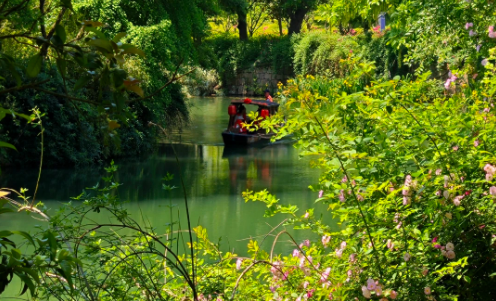
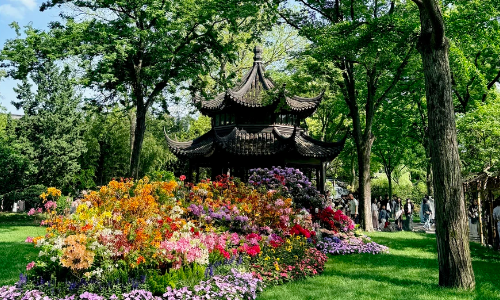
* Spring (March - May): Overall Best Visiting Season
· Advantages: Mild and comfortable temperature (10-25?), all kinds of flowers are in full bloom, the garden is full of vitality, the most beautiful season of the garden.
· Disadvantages: It is the peak tourist season, with a large number of tourists on weekends and holidays.
· Core Viewing Highlights: Peach blossom, begonia, peony, magnolia, the spring scenery of the Wuzhu Youju Pavilion.
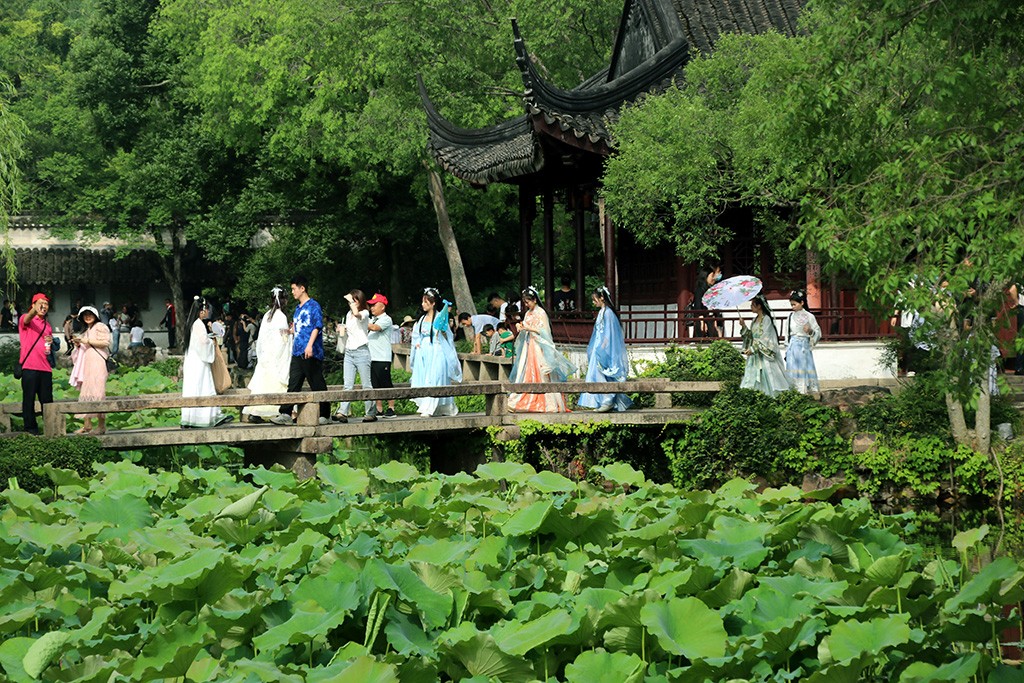
* Summer (June - August): Core Theme Season of the Garden
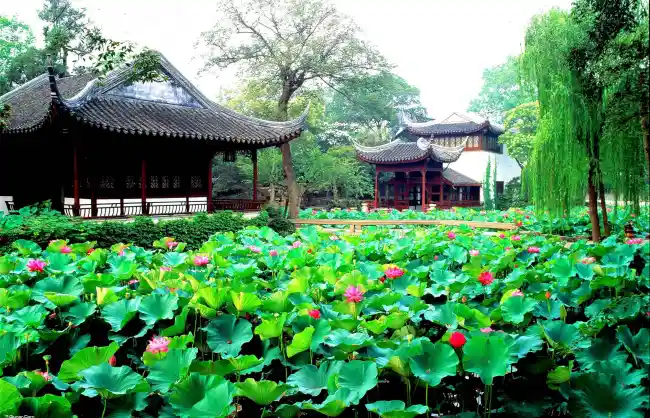
· Advantages: The lotus flowers are in full bloom, which is the core theme season of the garden, and the night tour is open during this period.
· Disadvantages: High temperature and humidity in summer, with occasional heavy rain.
· Core Viewing Highlights: Hundreds of mu of lotus flowers, the Pavilion of Lotus Breeze on Four Sides, the Hall of Distant Fragrance, the night tour experience.
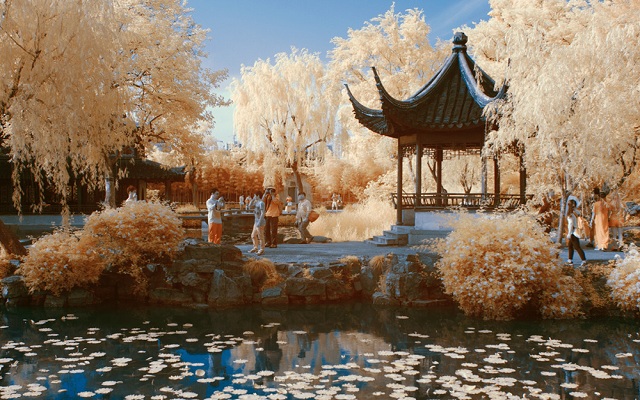
* Autumn (September - November): Best Off-Peak Visiting Season
· Advantages: Comfortable temperature (15-25?), clear sky, osmanthus fragrance fills the whole garden, red maple and chrysanthemum are in full bloom, the number of tourists is greatly reduced, the most suitable season for in-depth visiting.
· Disadvantages: No obvious disadvantages, it is the most cost-effective season to visit.
· Core Viewing Highlights: Osmanthus, red maple, chrysanthemum, the artistic conception of the Lingering Sound Pavilion in autumn rain.
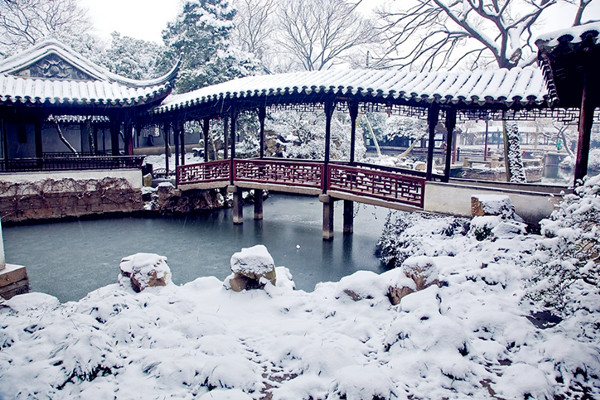
* Winter (December - February): Most Poetic Off-Season
· Advantages: The least number of tourists all year round, you can almost enjoy the quiet garden exclusively; the wintersweet and snow scenery create a unique poetic mood, which can not be experienced in other seasons.
· Disadvantages: Low temperature (0-10?), cold and humid in the south of the Yangtze River.
· Core Viewing Highlights: Wintersweet, plum blossom, snow scenery of the garden, the Snow Fragrance and Cloud Shade Pavilion.

2. Best Time of Day to Visit
* Golden Hour: Within 30 minutes after the garden opens
· Advantages: Almost no large tour groups, you can enjoy the quiet garden, the soft morning light is perfect for photography, and you can take photos without other tourists in the frame.
* Second Best Hour: 1-2 hours before the garden closes
· Advantages: The number of tourists drops sharply, the sunset light is soft and warm, the photo effect is excellent, and you can experience the quiet mood of the garden before closing.
* Peak Hours to Avoid
· 10:00-15:00 on weekends and Chinese statutory holidays, when large tour groups gather, the garden is very crowded, and the visiting experience is greatly reduced.
3. Night Tour Introduction
· The Zhuozheng Wenya Elegant Night Tour is the seasonal immersive night tour project of the Humble Administrator’s Garden Suzhou, usually open from June to October every year.
· Project Features: It integrates light art, Kunqu Opera performance, Guqin music and garden landscape, creating a unique oriental aesthetic experience, which is completely different from the day visit.
· Ticket & Booking: The night tour ticket is CNY 198-228 per person, which needs to be booked separately in advance through official channels. It has a separate entry time (18:30-21:00) and a fixed visiting route, and the day ticket is not valid for the night tour.
Nearby Attractions & Supporting Services
1. Walking Distance Attractions Near Humble Administrator’s Garden Suzhou
* Suzhou Museum
5-minute walk from the garden exit, the final masterpiece of the world-famous Chinese-American architect I.M. Pei. Free entry, need to book in advance on the official website. It is a perfect combination of modern architecture and Suzhou classical garden art, with a collection of more than 40,000 cultural relics.
* Suzhou Garden Museum
2-minute walk from the garden exit, free entry, the only special museum about classical garden art in China. It is highly recommended to visit before entering the garden to understand the history and design skills of Suzhou gardens.
* Lion Grove Garden (Shi Zi Lin)
10-minute walk from the garden, one of China's Four Great Classical Gardens, famous for its labyrinth-like rockery group, known as the "King of Rockeries in China".
* Pingjiang Road Historical Block
15-minute walk from the garden, a 2,500-year-old ancient canal street, the most well-preserved old street in Suzhou, with a large number of local snack shops, handicraft stores, tea houses and boutique homestays.
* Guanqian Street
20-minute walk from the garden, the most iconic commercial street in Suzhou, with a large number of time-honored Suzhou cuisine restaurants, shopping malls and the famous Xuanmiao Temple.
2. Suzhou Gardens Joint Itinerary
· 1-Day Suzhou Gardens Classic Itinerary: Humble Administrator’s Garden Suzhou - Suzhou Museum - Lion Grove Garden - Pingjiang Road
· 2-Day Suzhou In-depth Itinerary: Day 1: Humble Administrator’s Garden, Lion Grove Garden, Pingjiang Road; Day 2: Lingering Garden, Tiger Hill, Shantang Street
FAQs
1. Is the Humble Administrator’s Garden Suzhou worth visiting compared to other Suzhou classical gardens?
Yes, absolutely. As the largest, most well-preserved and most representative classical garden in Suzhou, it is the first choice for first-time visitors to Suzhou. If you have limited time, it is the No.1 garden you must visit in Suzhou.
2. Do I need to book tickets for Suzhou Zhuozheng Garden in advance? Can I buy tickets on-site?
The garden implements a full real-name online booking system, there is no on-site ticket window. You must book tickets in advance through official channels or authorized OTA platforms. It is recommended to book 1-3 days in advance, and 3-7 days in advance for holidays.
3. Is the Humble Administrator’s Garden wheelchair and stroller accessible?
Yes, the main roads of the garden are equipped with barrier-free ramps, and there are accessible toilets and mother and baby rooms distributed throughout the garden. Most of the core scenic spots are accessible by wheelchair and stroller, and we have provided a special barrier-free visiting route in this guide.
4. Is the night tour of the Humble Administrator’s Garden worth it?
If you are interested in immersive oriental aesthetic experience, Kunqu Opera and light art, the night tour is absolutely worth it. It offers a completely different experience from the day visit, with a quiet, poetic and dreamy atmosphere. But if you only want to see the classic landscape of the garden, the day visit is enough.
5. What’s the difference between Humble Administrator’s Garden and Lion Grove Garden?
The Humble Administrator’s Garden is the largest Suzhou garden, focusing on water landscape, poetic culture and comprehensive garden art, suitable for in-depth visiting. The Lion Grove Garden is smaller, famous for its complex and interesting rockery labyrinth, known as the "rockery kingdom", suitable for family travel and fun exploration.
6. How long should I spend visiting the Humble Administrator’s Garden?
For a quick essential visit, 2 hours is enough to cover all core spots. For a leisure in-depth visit, 3-4 hours is recommended. For photography and cultural lovers, half a day is the best choice to fully experience the charm of the garden.
Explore Your Way Holiday’s Recommended Tours.
We design private and Tailor-made Suzhou Tours customized to your style of travel at affordable local prices. We will provide a private & spacious car and a local professional tour guide with over 5 years guiding experience only work for you or your group. Transport, ticket, and dining (We find the most authentic dishes popular with locals) all we will arrange for you according your requirements. Please check our most popular tours below:
 A Two-Day Trip to Suzhou: Experience the Charm of Iconic Gardens and Historical Landmarks
 Top Suzhou Photography Tours: Off-the-Beaten-Path with Canal Scenes and Taihu Shores
Are the above sample tour programs not suitable for you? Dont worry, our Suzhou tours can be tailor-made based on your requirements and budget to create unique Suzhou experiences that allow you to interact with the local people and culture. We are Suzhou travel experts who know what your guidebook and foreign agencies don't. Our enthusiastic tour expert will promptly reply you in details within 24 hours.
Duration:10+ Hours
Attractions(Cities):Humble Administrators Garden, Tiger Hill, Hanshan Temple, Pingjiang Road
Tour Style:Embark on the ultimate Suzhou day trip from Shanghai, where you’ll explore the city’s most iconic highlights with a private guide. Discover the beauty of the Humble Administrator’s Garden, a UNESCO-listed masterpiece of classical Chinese landscaping, before heading to Tiger Hill, home to the leaning Yunyan Pagoda and centuries-old legends. Visit the tranquil Hanshan Temple, famous for its ancient bell chimes, and end your journey with a stroll along Pingjiang Road, a charming old street lined with traditional houses, boutique shops, and teahouses. With seamless private transportation and expert guidance, this journey offers an immersive cultural experience in the “Venice of the East.”
Duration:10+Hours
Attractions(Cities):Lingering Garden, Panmen Gate, Hanshan Temple, Shantang Street
Tour Style:A Shanghai to Suzhou day trip offers a perfect blend of history, culture, and scenic beauty, all within easy reach of Shanghai. Begin your journey with a visit to the Lingering Garden, a UNESCO World Heritage site renowned for its classical Chinese landscaping and tranquil atmosphere. Next, explore the iconic Panmen Gate, an ancient city gate that provides a glimpse into Suzhou's rich history and impressive architecture. Continue to the peaceful Hanshan Temple, famous for its ancient bell chimes and historical significance. Finally, stroll along Shantang Street, a charming waterway street lined with traditional buildings, shops, and teahouses. This day trip promises a wonderful exploration of Suzhou’s most famous landmarks.
Duration:6-8 Hours
Attractions(Cities):Humble Administrators Garden, Tiger Hill, Hanshan Temple, Shantang Street
Tour Style:Embark on the ultimate Suzhou day trip, where you’ll explore the city's most famous landmarks with convenient hotel or train station pickup. Begin your journey at the tranquil Humble Administrator’s Garden, a UNESCO World Heritage site celebrated for its classical landscaping and serene beauty. Next, visit Tiger Hill, home to the iconic Yunyan Pagoda and steeped in historical significance. Continue to Hanshan Temple, known for its peaceful atmosphere and ancient bell chimes. Finally, stroll along Shantang Street, a picturesque waterway lined with traditional houses, teahouses, and local shops. This Suzhou day trip offers an immersive experience of the city’s cultural heritage and natural beauty.
Duration:6-8 Hours
Attractions(Cities):Lingering Garden, Hanshan Temple, Panmen Gate, Pingjiang Road
Tour Style:Experience the best of Suzhou with our Suzhou 1 day tour, designed to showcase the city’s most iconic sights. Begin your adventure at the stunning Lingering Garden, a UNESCO World Heritage site renowned for its classical Chinese landscape design. Continue to Hanshan Temple, a peaceful retreat famous for its ancient bell chimes. Visit the historic Panmen Gate, an ancient city gate offering a glimpse into Suzhou's rich history and architecture. End your day with a leisurely stroll along Pingjiang Road, a charming street lined with traditional houses, teahouses, and vibrant local life. This Suzhou 1 day tour offers a perfect mix of culture, history, and beauty, with convenient pickup from your Suzhou hotel or train station.
Duration:10+ hours
Attractions(Cities):The Master of Nest Garden, Pingjiang Road, Zhouzhuang Water Town
Tour Style:Embark on a Suzhou and Zhouzhuang Water Town tour from Shanghai and discover the charm of Suzhou’s classical gardens and ancient water towns. Begin your journey at The Master of Nets Garden, a masterpiece of traditional Chinese landscaping known for its elegant pavilions and tranquil ambiance. Stroll along Pingjiang Road, a historic canal-side street lined with traditional houses, teahouses, and boutique shops. Then, travel to Zhouzhuang Water Town, one of China’s most picturesque water towns, where stone bridges, ancient alleys, and serene canals create a timeless atmosphere. This Suzhou and Zhouzhuang Water Town tour from Shanghai offers a seamless and immersive experience, with private car transport ensuring a comfortable and convenient journey.
Wechat: YourWayHolidayAsia
24 Hours Hotline:
+86 137-3541-1378
Certificate of Excellence
2012~2026

Your Way Holiday

(Your Privacy is Protected)
 Tiger Hill (Huqiu) Travel Guide: Exploring Suzhou’s Iconic Leaning Pagoda
 Exploring Suzhou No. 1 Silk Factory: A Journey into the Heart of China’s Silk Industry
 Exploring Guanqian Street in Suzhou: A Blend of Tradition, Shopping, and Local Flavors
 Humble Administrator’s Garden Suzhou: Complete Visitor Guide to Zhuozheng Garden, History, Highlights & Tips
 Song He Lou Suzhou: A Culinary Journey through Suzhou’s Historic Songhelou Restaurant
 Yangcheng Lake Hairy Crab Guide: The King of Crabs in China
 Master of the Nets Garden Suzhou: A Complete Guide to China’s Most Exquisite Classical Night Garden
 Jinji Lake Suzhou Travel Guide: What to See and Do Around Suzhou’s Modern Landmark
1 to 1 tailor-made service from our professional travel advisors for the most sophisticated
Constantly excellent reviews for attraction, hotel and service Competitive price
Local experts provide quality tours Best selected knowledgeable local guides Authentic local restaurants
7*24 hours available to create you a worry-free tour. No Hidden Fees and absolutely no pressure to buy. Secured









Copyright © 2017 Suzhouprivatetour.com All rights reserved. 浙ICP备18056007号-4